#AoIR2026 Call for Proposals
Regeneration(s): Association of Internet Researchers 2026 Conference
Hyatt Regency Mexico City
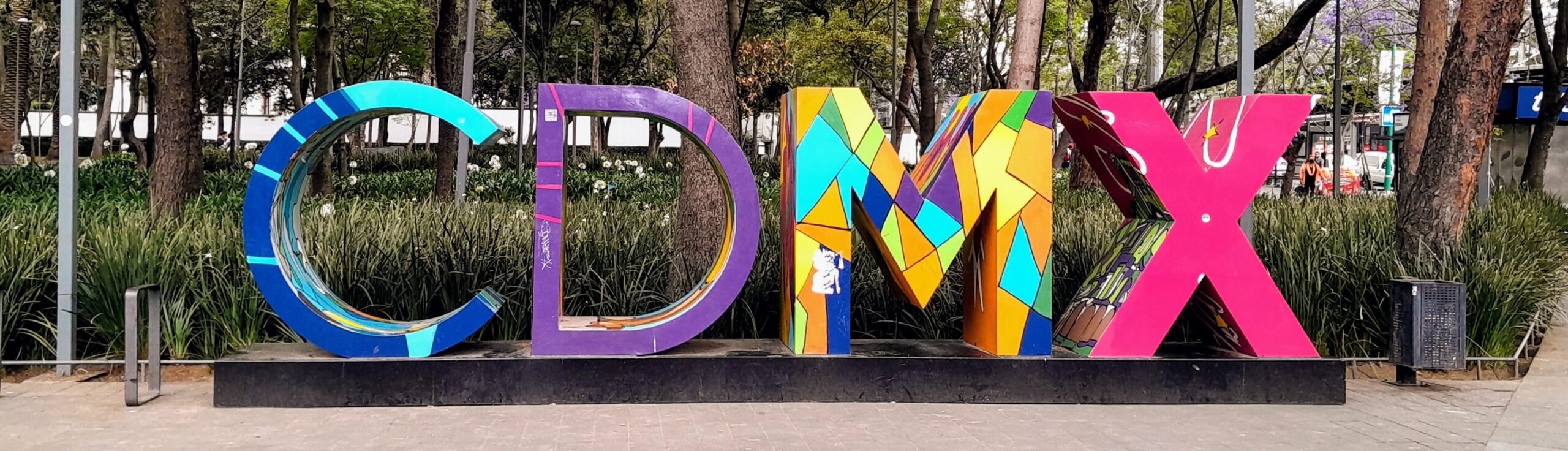
Mexico City/CDMX, México
14-17 October 2026
Proposals Due: 1 March 2026
Overview
Regeneration(s) opens us up to exploring deeper processes of technological, cultural, political, artistic, and infrastructural renewal. Online cultures are born, mature, decay, and are reborn in slightly different forms; generations of internet researchers train and mentor each other; new ideas and approaches emerge. Regeneration here is not simply understood as technological repair or sustainability, but as a relational and ethical process grounded in ongoing responsibilities to land, peoples, data, and communities; Regeneration is cyclical and inseparable from complex histories of resistance as a counterweight to the logics of optimization and maximization that characterize the tech industry.
Generation and generativity as productive capacities are also contested processes and capacities as AI companies try to frame generativity as automation, reproduction, and passivity at scale. The challenge then is to generate technical, political, and communal imagination and maps that allow us to articulate embodied, alternative, and active generative futures around collective technological use. This also offers an opportunity to think seriously about how our scholarly networks themselves are generated, regenerated, and maintained.
This year’s conference is co-hosted by scholars and institutions in both Mexico City/CDMX, MX, and Los Angeles, CA, two cities with complex and entangled histories. Although they are often thought of as distinct worlds – one, the historic capital of México, and the other, a paradigmatic U.S. metropolis molded by migration, sprawl, and imagination. Both historically and now, they are inextricably tied; from colonial and imperial trade routes to cross-border familial legacies, to twentieth century labor markets and migration. Turning colonial historical narratives on their heads, Chicano activists of the 1960s and 70s reminded the world with an insistent rallying cry, “the border crossed us.”
In recent years, both have seen unprecedented investment from tech companies expanding infrastructure and the transformation of core industries and craft by the increasing encroachment of AI, even as both cities struggle with severe drought and other environmental and economic consequences hastened by legacies of resource extraction. Mexico City/CDMX has also experienced challenges posed by a significant influx of so-called “digital nomads,” particularly from the North. Worsening gentrification and an ever-growing population of non-Spanish speakers have sparked a backlash, pushing back against displacement and economic stratification. Los Angeles, too, has been subject to the crisis of housing affordability and gentrification, a perennial issue exacerbated by the tech hubs like Silicon Beach. It is against these backdrops and complex, intertwined but distinct histories and cultures that we invite the AoIR global community of internet scholars to participate in this conference.
Call for Participation
AoIR 2026 solicits work exploring the theme of regeneration(s) in all of its manifold usages.
Possible topics include (but are not limited to):
- Regenerative technologies: Regeneration and Indigenous feminist theories of relationality and care; Technologies that add to rather than extract, lab cultures, autonomous infrastructure.
- Platform genealogies: The evolution and reconfiguration of social media, online communities, and digital economies.
- Generative media and AI: Challenging and deepening engagement with the realities and rhetorics of “generativity.”
- Activism and continuity: Intergenerational organizing and learning in digital social movements, creation and care.
- Reflection: Legacies of scholarship, reflecting on generations of AoIR and Internet Studies scholarship, mentorship, and intergenerational collaboration.
- Multispecies ethics: Biological, ecological, digital systems.
Identity and community: Engagements with the theme through dimensions of identity, including race, sexuality, ethnicity, ability, language, citizenship, and culture. - Digital age and life course: Generational identities online; intergenerational communication and conflict; youth, aging, and digital inclusion.
- Technological generations: Successive waves of internet platforms, infrastructures, and protocols; how technologies inherit, disrupt, or forget previous generations.
- Cultural memory and legacy: Internet nostalgia, digital preservation, and the archiving of online histories.
- Digital caretaking: Skill shares and makerspaces, familial tech maintenance, community pedagogy.
- Technoptimism/pessimism: Imaginaries of regeneration, resilience, and refusal.
We also welcome submissions on topics that address social, cultural, political, legal, aesthetic, economic, and/or philosophical aspects of the internet beyond the conference theme.
The committee extends a special invitation to students, researchers, and practitioners who have previously not participated in an AoIR event to submit proposals, and to scholars from the Global South, Black, Indigenous, and People of Color globally, LGBTQIA+ peoples, scholars living with disabilities, and people outside or adjacent to the academy. With this in mind, AoIR renews its commitment to travel scholarships, as well as other initiatives, to support conference participants. We will also follow the lead of last year’s committee and continue to experiment with forms of multi/bilingualism to further our mission of diversity and inclusivity within internet research. The conference committee will accept applications, in English, for participation in Spanish at the conference. Please make these selections within ConfTool.
This year’s conference will offer opportunities for hybrid participation for keynote and plenary viewing only in order to focus on multilingual access at the conference itself.
Location and Venue
We could not be more delighted to be coming together in Mexico City/CDMX, an ideal host city and venue for our community of researchers. The conference will be held at the Hyatt Regency in the Polanco neighborhood. A block of rooms has been reserved at a conference rate for participants. The reservations for the Hyatt block will be made available at a later date; please watch the AoIR Listserv for announcements. The Hyatt has been newly renovated and offers accessible rooms, air conditioning, a gym, onsite dining, an indoor pool, and spectacular views of Chapultepec Park. Those wishing to make alternative lodging should feel free to do so at their leisure. Mexico City/CDMX has a great network of public transportation and affordable private transport options (e.g., taxis).
Polanco is known for its historical architecture, public green spaces, and several of the city’s most visited museums and collections, including the Soumaya and Jumex Museums, in addition to the National Museum of Anthropology. The neighborhood is walkable and proximate to public transportation to connect to the rest of the city. Mexico City/CDMX is one of the great culinary and cultural capitals while also standing as a focal point for contemporary research and activism around the digital, including labor organizing among app-based and gig-economy workers, public campaigns over the environmental and social impacts of data centers, and national debates over data protection, platform governance, and digital sovereignty.
Hosts
The 2026 Conference Host Committee is an international, cross-border collective made up of scholars and colleagues from the University of California, Los Angeles, Tecnológico de Monterrey, Massachusetts Institute of Technology, Pomona College, and the Platform Observatory.
To Apply
We will once again use the ConfTool submissions management software system to manage the CFP process. To submit, please use this link. Please note: all applicants will need to recreate a ConfTool account for the 2026 instance, even if you have submitted in the past.