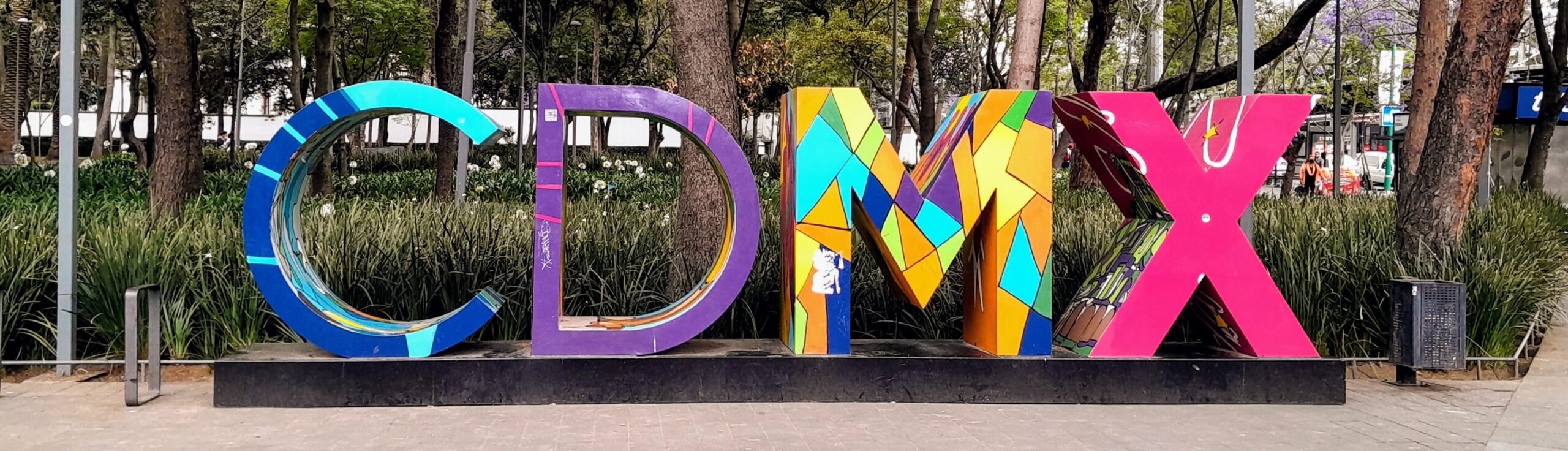
AoIR 2026 — Mexico City
Note: We are archiving the AoIR 2026 materials. This page has been kept as it was originally posted, so some of what’s below, such as the registration and hotel booking details, is out of date. Starting November 1, 2026, the updated and finalized materials will be on a separate page.
Nota: Estamos archivando los materiales de AoIR 2026. Esta página se conserva tal como se publicó originalmente, por lo que parte de la información que aparece a continuación, como los detalles de inscripción y reservas de hotel, ya no está vigente. A partir del 1 de noviembre de 2026, los materiales actualizados y definitivos estarán en una página aparte.
We are thrilled to be in Mexico City, Mexico for AoIR2026! #AoIR2026 will be held at the Hyatt Regency hotel in Mexico City, from October 14th to 17th, 2026. It will also be AoIR’s second bilingual conference, after last year’s successful piloting in Niteroí, Brazil.
This Year’s Theme: Regenerations
Regeneration(s) opens us up to exploring deeper processes of technological, cultural, political, artistic, and infrastructural renewal. Online cultures are born, mature, decay, and are reborn in slightly different forms; generations of internet researchers train and mentor each other; new ideas and approaches emerge. Regeneration here is not simply understood as technological repair or sustainability, but as a relational and ethical process grounded in ongoing responsibilities to land, peoples, data, and communities; Regeneration is cyclical and inseparable from complex histories of resistance as a counterweight to the logics of optimization and maximization that characterize the tech industry.
Generation and generativity as productive capacities are also contested processes and capacities as AI companies try to frame generativity as automation, reproduction, and passivity at scale. The challenge then is to generate technical, political, and communal imagination and maps that allow us to articulate embodied, alternative, and active generative futures around collective technological use. This also offers an opportunity to think seriously about how our scholarly networks themselves are generated, regenerated, and maintained.
This year’s conference is co-hosted by scholars and institutions in both Mexico City/CDMX, MX, and Los Angeles, CA, two cities with complex and entangled histories. Although they are often thought of as distinct worlds – one, the historic capital of México, and the other, a paradigmatic U.S. metropolis molded by migration, sprawl, and imagination. Both historically and now, they are inextricably tied; from colonial and imperial trade routes to cross-border familial legacies, to twentieth century labor markets and migration. Turning colonial historical narratives on their heads, Chicano activists of the 1960s and 70s reminded the world with an insistent rallying cry, “the border crossed us.”
In recent years, both have seen unprecedented investment from tech companies expanding infrastructure and the transformation of core industries and craft by the increasing encroachment of AI, even as both cities struggle with severe drought and other environmental and economic consequences hastened by legacies of resource extraction. Mexico City/CDMX has also experienced challenges posed by a significant influx of so-called “digital nomads,” particularly from the North. Worsening gentrification and an ever-growing population of non-Spanish speakers have sparked a backlash, pushing back against displacement and economic stratification. Los Angeles, too, has been subject to the crisis of housing affordability and gentrification, a perennial issue exacerbated by the tech hubs like Silicon Beach. It is against these backdrops and complex, intertwined but distinct histories and cultures that we invite the AoIR global community of internet scholars to participate in this conference.
Keynote: Yásnaya Elena Aguilar Gil
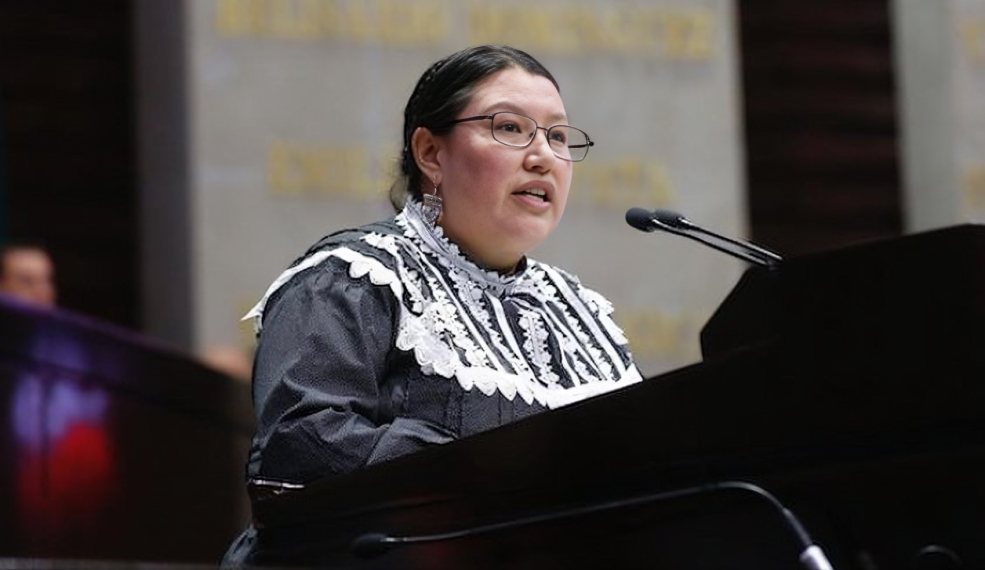
Yásnaya Elena Aguilar Gil is a Mixe linguist, writer, and activist from Oaxaca, Mexico. She is a member of COLMIX, a collective of young Mixe people conducting research on Mixe language, history, and culture. She holds a Master’s degree in Linguistics from UNAM. Her work spans linguistic documentation of endangered languages, development of written materials in Mixe, literary translation, and advocacy for the linguistic rights of indigenous language speakers. She has been active in pushing for indigenous language use in digital and online spaces.
More information about her talk and the full conference programme will be released closer to the conference.
Registration
Registration for AoIR2026 is officially open. To register, please visit https://www.members.aoir.org/event-6631861. A full table of fees is below.
Early Bird Registration
Available until August 1st, 2026 @ Midnight AOE.
| Ticket Type | Member Rate | Non-Member Rate |
|---|---|---|
| Student, Majority World | $40 | $55 |
| Professional, Majority World | $60 | $80 |
| Student | $320 | $425 |
| Professional | $500 | $670 |
Standard Registration
Available between August 1st and October 14th, 2026.
| Ticket Type | Member Rate | Non-Member Rate |
|---|---|---|
| Student, Majority World | $80 | $100 |
| Professional, Majority World | $120 | $150 |
| Student | $400 | $500 |
| Professional | $640 | $800 |
Other fees
- Registration for Lifetime Members: $450
- Saturday AoIR Reception extra ticket: $100
A word about registration fees
In years past, AoIR registration fees had not kept pace with what it actually costs to run the conference, and unfortunately, that gap became unsustainable. The organization has, in essence, been subsidizing the true cost of per-person attendance for several years. The exec board undertook an examination of our pricing, reviewing registration costs at comparable conferences in our field in order to benchmark our fees appropriately. Even with the increase, coming after many years of delayed price adjusting, AoIR registration still comes in well below the cost of several of our peer conferences and much bigger organizations. We believe you will find the value to be high.
We also took this opportunity to make the fee structure more internally coherent. Previously, the relationships between fee tiers — early bird versus standard, member versus non-member — were somewhat inconsistent with one another. The new structure applies explicit, numerically consistent ratios across all categories, so the pricing logic can be both transparent and consistent across levels and years. More information about exactly how this increase was applied can be found at members.aoir.org.
Across all membership levels, registrants will see an average 33% discount if they register early. That average spans from a 50% discount for Majority World members down to 15% for Minority World non-members. AoIR Members enjoy additional savings on top of that: at standard rates, members pay 20% less than non-members, and at early bird rates that discount increases to roughly 25%. These figures reflect our goal of keeping the conference accessible to as many participants as possible while maintaining a fee structure that is fair and consistent across all levels.
Majority World rates
We provide a rate for attendees from the Majority World, drawing on the categories used by the Latin American Studies Association. The rate that applies to you depends on where you are currently based. See https://lasaweb.org/en/lasa2025/dual-model-registration-fees/ for how those categories are defined.
Venue and Hotel
AoIR 2026 will be held at the Hyatt Regency Mexico City, located in the Polanco neighborhood. The hotel has been recently renovated and has accessible rooms, air conditioning, a gym, onsite dining, an indoor pool, and views of Chapultepec Park.
A block of rooms has been reserved at a conference rate. Reservation details will be announced via the AoIR Listserv. In the meantime, you can also book directly via the group reservation link in the hotel Information. Note that it is possible to book a night either side of the 14-17 October conference, covering accommodation from 13-19 October.
[NEW] For junior scholars facing limited funding who’d benefit from sharing a room, we’ve converted 10 rooms in our hotel block from the standard king to double twin-bed rooms. If you’d like to learn more or be connected with other scholars looking for a roommate, email ac [at] aoir [dot] org
Those who prefer alternative lodging are welcome to arrange their own accommodations. Mexico City has an extensive public transit network and widely available private transport options, including taxis and rideshare. See below for a full guide to the city.
Mexico City Guide

Mexico City is one of the world’s most vibrant capitals. Arrive ready to dive into a rich blend of culture, gastronomy, and history! This guide provides essential information to help you prepare for your visit, including travel recommendations, weather, cultural considerations, and suggested activities.
The neighborhood: Polanco
Polanco is one of Mexico City’s most prestigious and polished neighborhoods, occupying a prime position between Bosque de Chapultepec and Paseo de la Reforma in the Miguel Hidalgo borough. It carries a distinctive dual identity: historically a Jewish enclave and still home to a significant Jewish community, while also functioning as the city’s diplomatic and corporate hub. Many foreign embassies, multinational headquarters, and luxury hotels are concentrated here. Polanco was originally built up in the 1930s for the era’s ornate, single-family homes. Today, the colonia is perhaps best known for its art galleries, luxury shopping malls, and high-end dining.
The streets are named after poets and intellectuals — Tennyson, Anatole France, Molière, Emilio Castelar — and lined with mature trees and manicured sidewalks. Av. Presidente Masaryk is the neighborhood’s spine and its most famous address, home to Hermès, Louis Vuitton, Cartier, Prada, Porsche showrooms, and a procession of upscale restaurants with terrace seating.
Polanco is not exclusively for expense-account travelers. Parque Lincoln, the neighborhood’s beloved green square, is surrounded by casual cafés, juice bars, and taco stands where you could find a full breakfast for under 150 pesos. The side streets off Masaryk, particularly around Calle Anatole France and Av. Horacio, hide neighborhood fondas, torta shops, and lunch counters. The Mercado Gourmet at Parques Polanco, a small indoor market near Parque Lincoln, is a good and affordable spot for a traditional comida corrida (a set lunch of soup, main, and agua fresca for around 120 pesos). If you are on a budget, the trick is simply to step one or two blocks away from Masaryk. The prices drop considerably and the food is often just as good.
October is a particularly pleasant time to be in Polanco. The jacaranda trees won’t bloom until spring, but the air is cool and clear in the mornings, the terraces fill up at lunch, and the neighborhood’s energy — a mix of strolling families, suited professionals, and tourists heading to the nearby Soumaya and Jumex museums — makes it one of the most enjoyable places in the city simply to walk and observe.
Weather in October
October falls at the very end of the rainy season, meaning mornings are sunny and clear, afternoons occasionally shower, and the city is lush and green, all without the extreme heat of summer. Late October bleeds into Día de Muertos preparations, which transforms the city: altars appear in shop windows, marigold markets pop up, and the atmosphere becomes genuinely extraordinary.
- Temperature: 18–24°C (64–75°F) days; 10–14°C (50–57°F) nights
- Altitude: 2,240 m — expect breathlessness the first 1–2 days
- Rainfall: tail end of rainy season, brief afternoon showers, mostly sunny mornings
- What to wear: Layers. Light jacket or sweater for evenings; umbrella or packable rain jacket
Pro tips: Schedule outdoor sightseeing for mornings. Rain typically arrives mid-afternoon and clears by evening. UV is very strong at altitude even on cloudy days, so wear SPF 30+ daily.
Water and health
- Water: Do not drink tap water. Always drink bottled or filtered water, even when brushing teeth. Your hotel will provide purified water.
- Air: Mexico City’s air pollution can be severe, so take extra precautions on days when air quality levels are especially poor.
- Ice: At reputable restaurants, ice is made from purified water. Be more cautious at street stalls.
- Altitude sickness: Rest on arrival day. Avoid alcohol the first night. Stay hydrated.
- Pharmacies: Farmacias del Ahorro, Farmacias Guadalajara, and Farmacias San Pablo are everywhere, open 24h.
Street food
CDMX street food is world-class. Use common sense rather than avoiding it entirely, but remember that Moctezuma’s revenge is real.
- Safe bets: Hot cooked-to-order tacos, elotes, tamales, quesadillas. High turnover means fresh ingredients.
- Be cautious: Pre-cut fruit, raw salads, salsas sitting at room temperature all day.
- Must-try: Esquites, tlayudas, tlacoyos, tamales, churros.
- During lunch, try comida corrida, the three- or four-course lunches many restaurants serve at a fixed price.
Pro tip: Look for busy stalls. Locals line up there for a reason. Avoid stalls with no customers.
Transportation
In Mexico, Uber is the easiest taxi service to use, but you can also use the public transportation system, especially if you want to save money and time. You can buy a transport card at any subway station, which you then top up and use on trains, trams, buses, metro buses, and trolley buses. The subway and metro buses have cars exclusively for women. The Ecobici bike rental system is excellent in certain areas. The Polanco metro station is one stop away from Auditorio station, the closest station to the Anthropology Museum.
Official taxis are available at the airport, but they are very expensive. Avoid moving around the city during rush hour — the roads, buses, and trains are especially crowded from 7 am to 10 am and 6 pm to 9 pm. For travel to nearby cities like Oaxaca, Puebla, Querétaro, or Acapulco, buses are a convenient and comfortable option. For longer distances, a domestic flight is usually easiest. If you rent a car, avoid driving at night for safety.
Money and practicalities
- Currency: Mexican Peso (MXN), roughly 18 MXN per USD.
- ATMs: Use ATMs inside banks or supermarkets (Walmart, La Comer, Fresko). Avoid standalone ATMs at night.
- Cards: Widely accepted in restaurants and shops. Always carry some cash for markets and street food.
- Emergency Police: 911 | Tourist helpline: 078 or the Angeles Verdes app | LOCATEL: 55 5658-1111
- Plugs: Mexico uses type A and type B plugs, the same as the US. Bring a power bank if you plan to be out all day.
- Shoes: Bring at least one pair of closed-toe shoes in case of rain.
Cultural sensibilities
- Greetings: A single cheek kiss is standard even on first meetings, especially in social settings. Say buenos días / buenas tardes / buenas noches to everyone.
- Punctuality: Social events run 30–60 min late. For restaurant reservations, be on time.
- Tipping: 10–15% at restaurants is expected. A small tip for hotel staff. Tipping taxi drivers or street vendors is not necessary.
- Language: Try your Spanish — a few words go a long way and locals appreciate the effort.
- Día de Muertos: Celebrated Oct 31–Nov 2. Altars and markets appear from mid-October.
- Photography: Always ask before photographing people or market stalls.
- Plumbing: Don’t flush your toilet paper. Most places in Mexico have plumbing that can’t handle excess paper, so throw used paper in the trash bin unless advised otherwise.
- Note that, due to gentrification, some neighborhoods may express anti-American sentiment. Stay respectful and don’t take it personally.
Things to do and see
Mexico City is big — the greater metropolitan area has a population of 21 million. Some ideas:
Teotihuacan Pyramids. These pyramids sit about an hour outside the city by car. Teotihuacan was built between 100 BC and 400 CE, long before the Mexicas arrived in the Mexico Valley; who exactly built them remains a mystery. The Mexicas named the city Teotihuacan, “The City of Gods,” in Nahuatl. Arrive early (around 8 a.m.) to avoid the traffic, crowds, and intense sun. The bus ride takes about 1.5 to 2 hours. Due to recent fatal incidents, the government has implemented enhanced security protocols.
Chapultepec Park. Chapultepec means “Hill of the Grasshopper” in Nahuatl. This huge park sits in the middle of the city and is home to the Anthropology Museum, the zoo, the Modern Art Museum, the Tamayo Museum, a castle, an artificial lake with pedal boats, and the Cárcamo de Dolores, where Diego Rivera painted an underwater mural and built a fountain in the shape of a giant Mexica god.
Downtown. Walk around the Zócalo, home to the cathedral and the national palace. Pop over to the Templo Mayor, the main temple of the Mexica people. Then visit the Palacio Nacional for Diego Rivera’s murals, and the Palacio de Bellas Artes, where there should be a free English-language tour of murals at 12:30 pm Tues–Fri. You can also visit the Palacio de Correos, the Alameda Central, and the Museo Mural Diego Rivera, home to the mural Sueño de una tarde dominical en la Alameda Central (1947).
La Ciudadela (Artisan Market). A trove of crafts and gifts, and a go-to spot for souvenirs.
San Ángel and Bazar del Sábado. On Saturdays, San Ángel comes alive with arts, crafts, and fine dining. Begin with breakfast at Saks, then explore the Bazar del Sábado and Plaza San Jacinto, visit the Casa Museo del Risco, and have lunch at Fabia, a farm-to-table restaurant.
Coyoacán. A neighborhood with a local atmosphere that has resisted gentrification; on weekends whole families stroll and enjoy churros, ice cream, or elotes. Ecosentli is good for handmade tortillas and tlacoyos, and Corazón de Maguey for mezcal tasting and tlayudas. Don’t miss Utópicas, a feminist bookstore.
Frida’s House (and Trotsky’s). Frida Kahlo’s bright blue house is where she was born, died, and produced much of her artwork. Tickets can be hard to get, so buy them a month or two in advance and arrive at the exact time on the ticket. While in the neighborhood, drop by Trotsky’s house of icepick fame, and check out the Coyoacán market.
Xochimilco. In the southwest of the city, this wetland contains the remnants of the chinampas, an ancient Mesoamerican agricultural system of small artificial islands built on freshwater lakes. Hire a party boat, similar to a gondola, or opt for a peaceful canoe trip with a local NGO. Mornings are calm and quiet; weekend afternoons can be crowded.
Museums near the venue
Mexico City has the highest concentration of museums in the country, with 168 in total — eight of them within Chapultepec Park. Most museums are closed on Mondays.
- Museo Nacional de Antropología — Mexica, Maya, and other pre-Hispanic treasures. Allow 3–4 hours.
- Museo de Arte Moderno — The Two Fridas, plus Remedios Varo and Leonora Carrington.
- Museo Tamayo — Rufino Tamayo’s works and contemporary art.
- Museo Soumaya — Free entry, with an impressive Rodin collection. Arrive before noon.
- Museo Jumex — Free. Contemporary art.
- Palacio de Bellas Artes — Art Deco architecture and renowned murals. Has a restaurant.
- Templo Mayor Museum — Ancient Mexica ruins in the city center.
- Casa Estudio Luis Barragán — Color, light-filled spaces, and gardens. Buy tickets two months in advance; guided visits in groups of up to 6.
- Bosque and Castillo de Chapultepec — The urban park and the Castle of Emperor Maximilian and Empress Carlota.
Places to eat, dance, and unwind
- Rosetta — One Michelin star.
- Contramar — One Michelin star; the legendary tuna tostada.
- El Cardenal — Classic breakfast in Centro Histórico; arrive early.
- Mercado de San Juan — Gourmet (and exotic) market. Go hungry.
- Parque México — Open-air bachata, salsa, and cumbia classes.
- Mama Rumba — Cuban salsa with live music at 11:00 PM.
- Centro Budista de la Ciudad de México — Classes, activities, and workshops in Roma Norte.